Make-A-Will Month Is Here. But a Will Isn't a Complete Plan.
Make-A-Will Month is a timely reminder to create or review your estate plan but a will alone may leave important gaps. Learn how a comprehensive plan can help protect your family, assets, and wishes during incapacity, emergencies, and after your death.
Make-A-Will Month Is Here. But a Will Isn't a Complete Plan.
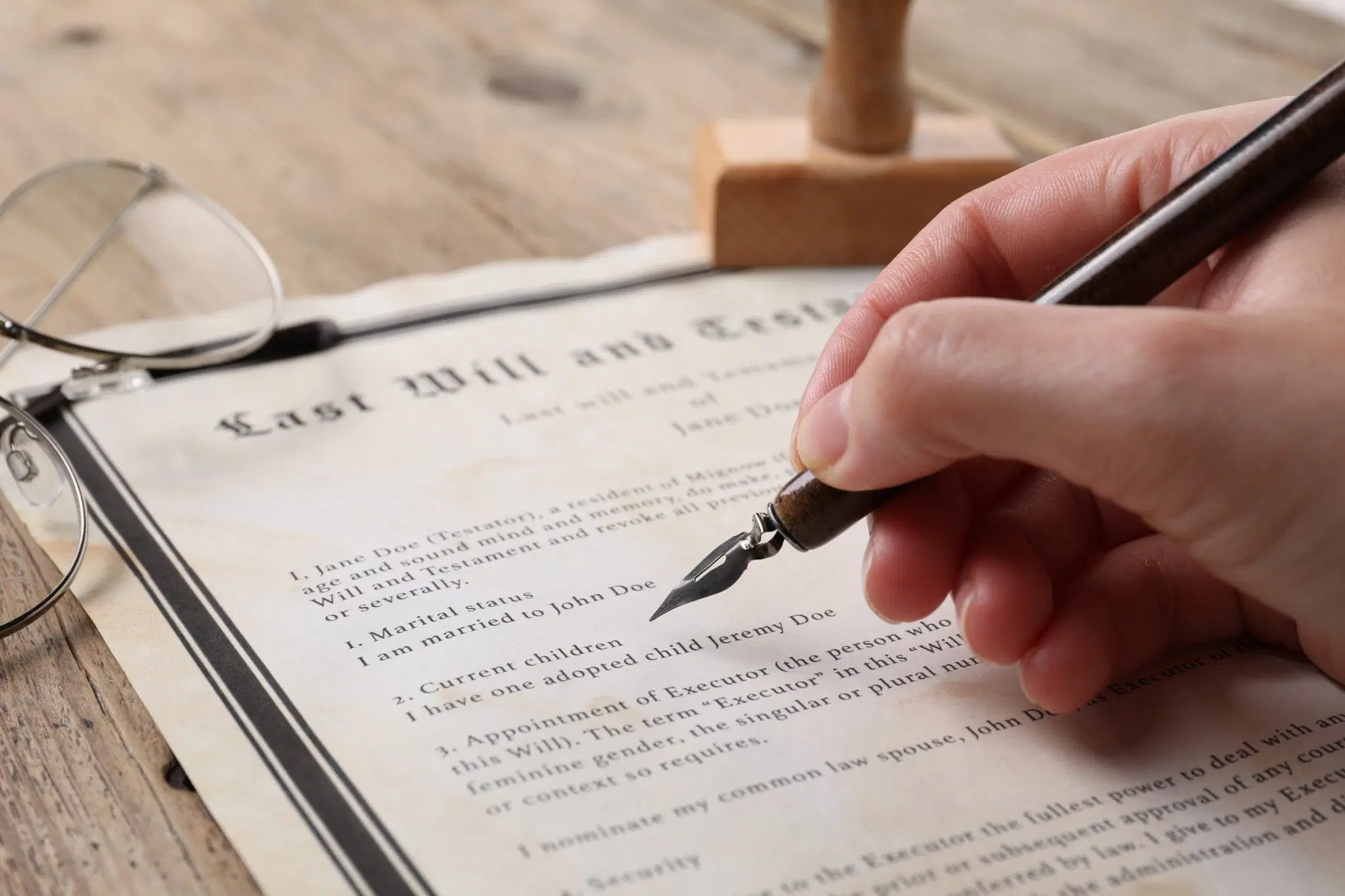
August is Make-A-Will Month, which makes it a good time to revisit an important question: does your family have a will, or does your family actually have a plan? Having a will is certainly better than having nothing in place. A will can name beneficiaries, express your wishes, and nominate guardians for minor children. But a will alone does not address every situation your family could face.
A properly signed will can still leave significant gaps when it comes to incapacity, probate, beneficiary designations, access to assets, and the immediate needs of your family after an emergency.
A Will Is Important, But It Has Limits
A will can direct how certain assets should be distributed after your death. It can also nominate someone you want to serve as guardian for your minor children. What many people do not realize is that a will generally has to go through probate before those instructions can take effect. Probate is a court-supervised process that can take time and create additional costs and administrative responsibilities for your family.
A will also does nothing if you become incapacitated while you are alive. If an accident or serious illness leaves you unable to make financial or medical decisions, your family needs separate documents that give someone the legal authority to step in. There is another important consideration: some assets do not pass according to your will at all. Retirement accounts, life insurance policies, and certain jointly owned assets typically pass according to their beneficiary designations or ownership structure.
That means your will could say one thing while your beneficiary designations say something completely different.
The bottom line: A will is an important part of an estate plan, but it is not the entire plan.
What Happens to Your Children in an Emergency?
For parents with young children, one of the most important questions is not simply who should raise your children eventually. It is who can step in immediately if something happens to you.
Imagine that both parents are suddenly hospitalized or otherwise unavailable. Who can pick the children up from school? Who can authorize medical treatment? Who can make sure they have a safe and familiar place to stay while the legal process gets sorted out? A will naming a long-term guardian does not necessarily solve those immediate problems.
This is why parents need to think beyond the question of who they want to raise their children. They also need to consider who can care for them during the first hours and days following an emergency.
Your Family Changes. Your Plan Should Too.
Even a well-drafted will can become outdated. Families grow. Children become adults. Marriages begin and end. People move. Guardians become unavailable. Assets are bought and sold. Businesses change. Beneficiary designations can remain attached to old accounts long after the circumstances that created them have changed. A document that accurately reflected your wishes ten years ago may no longer reflect your family today.
The Goal Is More Than Having Documents
The purpose of estate planning is not simply to have a binder of signed documents. The goal is to create a plan that works when your family actually needs it. That means knowing who can make financial and healthcare decisions if you become incapacitated, how your assets will be transferred, whether your beneficiary designations support your overall plan, who will care for your children, and what your family should do if something happens to you.
It also means making sure the people you have chosen know what their responsibilities are and where they can find the information they need. A comprehensive planning process looks at your family, your assets, your goals, and the legal structures connecting them rather than treating each document as a separate piece.
Why Reviewing Your Plan Matters
Make-A-Will Month is a useful reminder to take action, especially if you do not have a will yet.
But if you already have one, this is also an opportunity to ask whether it still works. Have your family circumstances changed? Are your beneficiaries still correct? Are your guardians still the people you would choose today? Do your loved ones have the authority they need if you become incapacitated? Do your assets actually pass the way your documents say they should?
These questions can reveal gaps that are easy to overlook when you only look at the will itself. A thoughtful review can help you identify those gaps while there is still time to address them.
What You Can Do Right Now
If you do not have a will, Make-A-Will Month is a good reason to get started. If you already have one, it is a good reason to review the plan behind it. In Mattiace Legal LLC, we help families look beyond individual documents and create a Life & Legacy Plan designed around their actual circumstances.
The goal is to make sure your legal documents, assets, beneficiaries, and family protections work together as your life changes.
Schedule a complimentary 15-minute discovery call here to review your current plan and discuss what may be missing.
Similar Posts
More legal thinking.
Business
FinCEN Ends Beneficial Ownership Reporting: What Small Business Owners Need to Know
Beneficial ownership reporting is no longer required for U.S. companies and U.S. persons. Here’s what the change means for small business owners and their legal planning.
Estate Planning
Your Trust Could Reach the 37% Tax Bracket at Just $16,000
Learn how SECURE Act rules can affect inherited IRAs, trusts, and estate planning.
Trusts
Part 1: Asset Protection Trusts for Business Owners: How They Work
Building a successful business often means accumulating valuable assets over time. Whether it's commercial real estate, investment accounts, or business.